Efficient in energy consumption & emissions
As a resources company, we operate many energy-intensive processes in the entire value chain, from extraction of raw materials and production, to transportation of the finished product. As part of our business processes, we consider energy use and logistics-related activities. Changes and process improvements are continuously evaluated and implemented.
K+S emissions

Most of our emissions result from generating process heat and electricity from natural gas in our own plants.
Our climate strategy
We want to continue to actively advance the energy transition and support the goals of the Paris Climate Agreement. We want to achieve greenhouse gas neutrality at our production sites as early as 2045. Under certain conditions, such as the expansion of renewable energies or better grid connections, we can achieve this goal. Our goal is to achieve a 25% reduction in our CO2 emissions (Scope 1 and 2 of the manufacturing sites) compared to the baseline year 20201 by 2030. In addition, we want to reduce emissions by 60% by 2040 and achieve greenhouse gas neutrality by 2045.
Our path to greenhouse gas (GHG) neutrality (base year: 2020)
- 2030 Emission reduction of 25%
- 2040 Emission reduction um 60%
- 2045 GHG neutrality

We review our climate strategy annually because geopolitical developments have a strong impact on energy markets, new climate technologies need to be evaluated, and regulatory frameworks are constantly changing. Through this process, we have confirmed that we have identified the best decarbonization path from our perspective and that it is ecologically and economically balanced.
1 The emission value of the base year is adjusted in the event of significant changes in primary production volumes, while maintaining the ambition for decarbonisation.
GHG neutrality 2045 at K+S
Our goal is to reduce our own emissions – not to offset them. By 2045, we aim to achieve GHG neutrality for all production sites (Scope 1 and 2). We have deliberately chosen this target rather than net zero because we can underpin its path with technologies known today.
Our lever towards CO₂ reduction
Our ISO 50001 energy management system helps us systematically monitor and improve our energy efficiency. We are maximizing the efficiency potential (heat recovery), further expanding highly efficient combined heat and power (CHP) generation, exploring the increased use of renewable energies (photovoltaics and wind), and gradually switching to e-mobility in our underground operations to achieve our targets by 2030. In 2025, we built our first biomass plant. Additionally, actions such as power-to-heat, fuel switching from natural gas to electricity or hydrogen, and carbon capture and storage (CCS) have been and are being explored.
Four decarbonization levers – with examples of actions that have been completed, are being implemented or are under review.
The complete decarbonization of the K+S Group is challenging and can only be achieved under certain conditions (supportive regulatory framework, expansion of renewable energies, better grid connection).
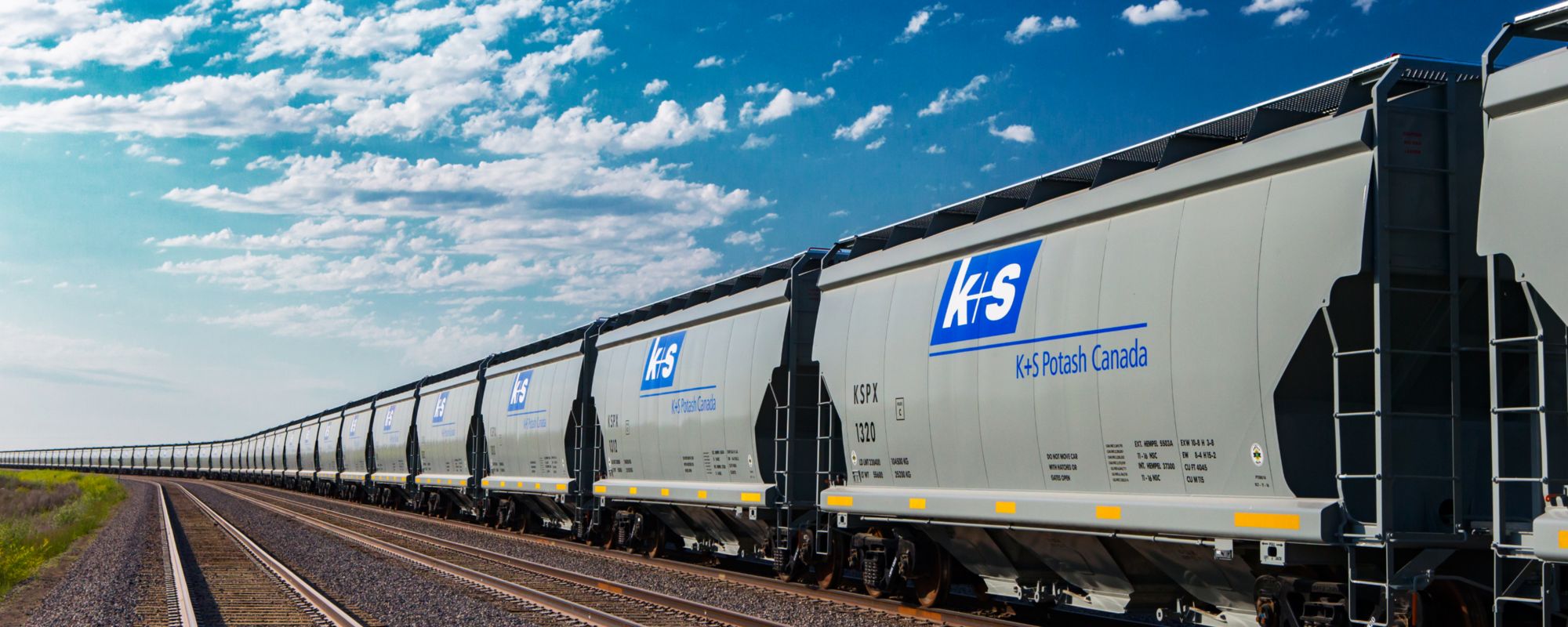
Optimizing logistics processes
Our international logistics network coordinates the transportation of our products to customers in various regions around the world. Transport chains are planned, managed, and regularly reviewed. In doing so, factors such as modes of transport, distances, availability, as well as operational and regulatory requirements are taken into account. Logistics experts at different locations work together with transport and logistics service providers to organize delivery processes in line with the respective requirements.
-
Our target is to reduce our absolute CO2 emissions in the K+S Group worldwide by 25 percent by 2030.
-
Our target is to reduce specific greenhouse gas emissions (CO2) in logistics operations by 10 percent by 2030.


